In modern medicine, few specialties are as essential to daily comfort, communication, and quality of life as Otolaryngology, commonly known as ENT (Ear, Nose, and Throat). This field addresses a wide range of conditions affecting breathing, hearing, balance, speech, and swallowing—functions we often take for granted until they are disrupted.
At CYMED Clinic, ENT services are designed to provide timely diagnosis, patient-centered care, and advanced treatment options for both common and complex conditions.
What Does ENT Cover?
ENT specialists, or otolaryngologists, are trained to manage disorders of the:
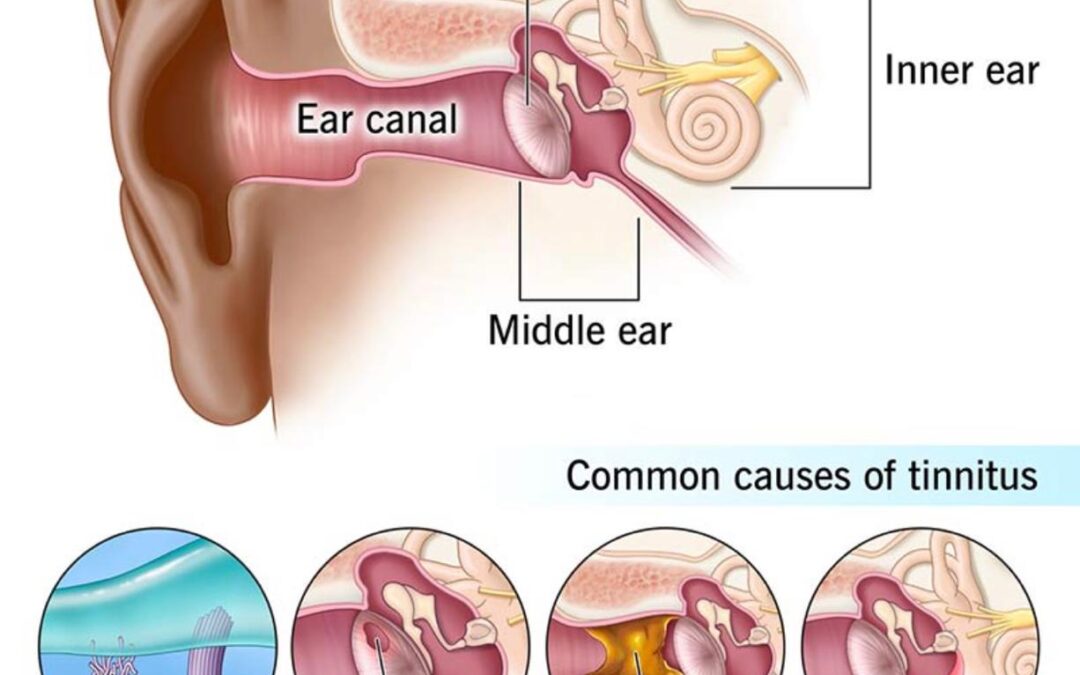
- Ears – hearing loss, infections, tinnitus, balance disorders
- Nose & Sinuses – sinusitis, allergies, nasal obstruction, polyps
- Throat – voice disorders, swallowing difficulties, tonsillitis
- Head & Neck – glands, lymph nodes, and related structures
This integrated approach is critical because these systems are deeply interconnected. A sinus issue may affect breathing and sleep, while a throat condition can impact both speech and nutrition.
Common Conditions Treated
1. Ear Disorders
Ear-related concerns are among the most frequent reasons for ENT consultation. These include:
- Hearing loss (age-related, noise-induced, or sudden)
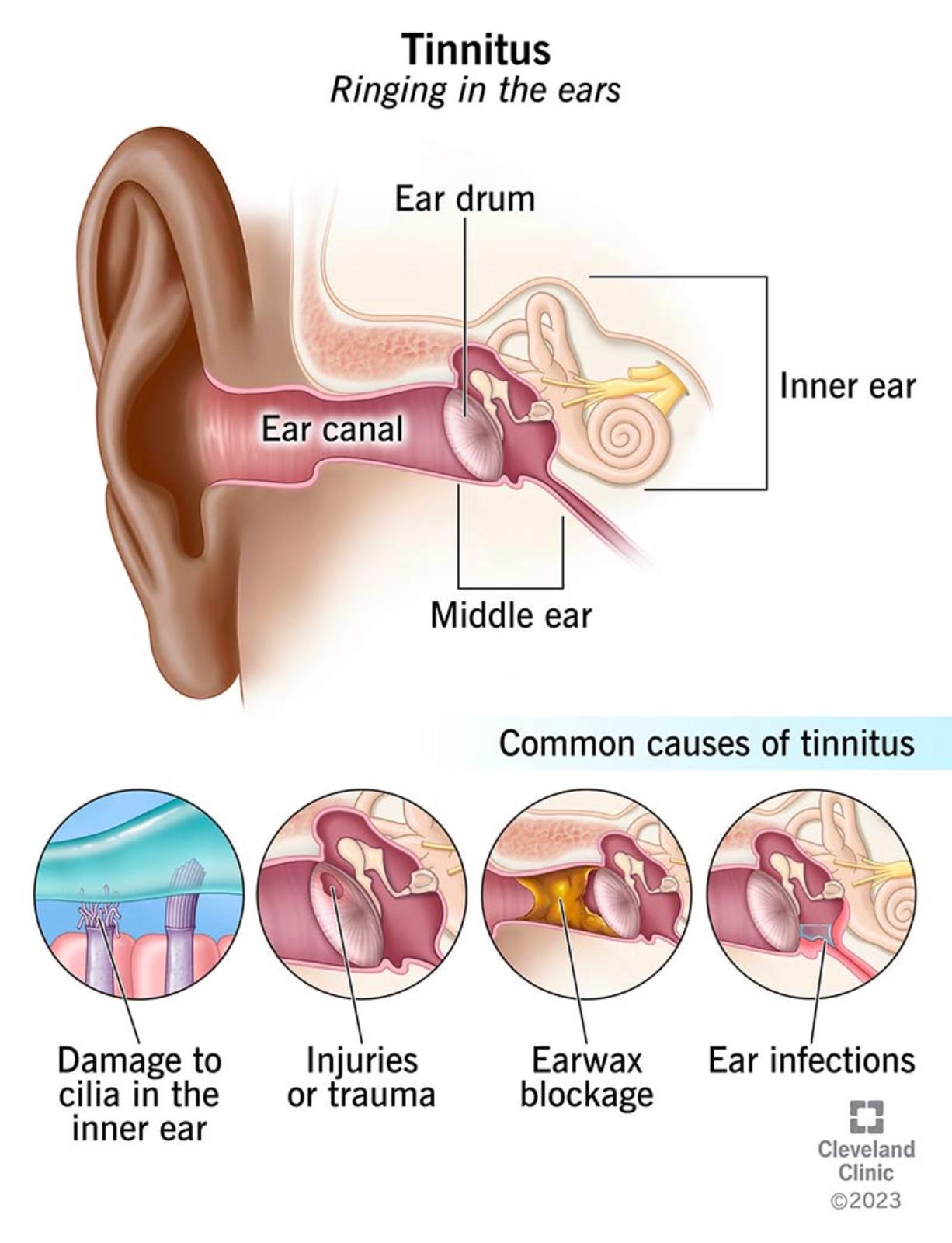
- Tinnitus (ringing or buzzing in the ears)
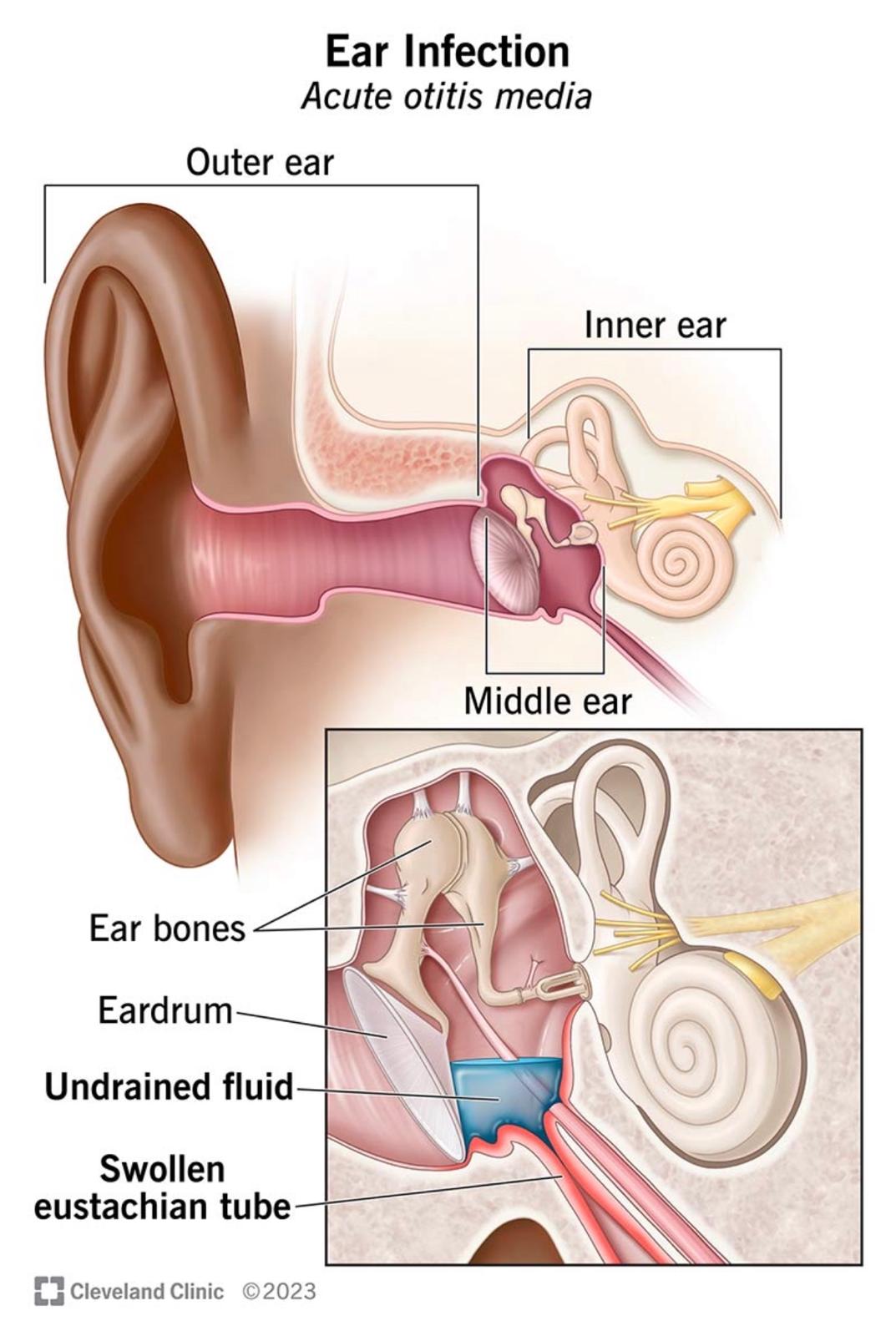
- Ear infections (acute or chronic)
- Vertigo and balance disorders
Early evaluation is crucial, as untreated ear conditions can significantly impact communication and cognitive health.
2. Nasal and Sinus Conditions
The nose and sinuses play a central role in breathing and immune defense. ENT care addresses:
- Chronic sinusitis
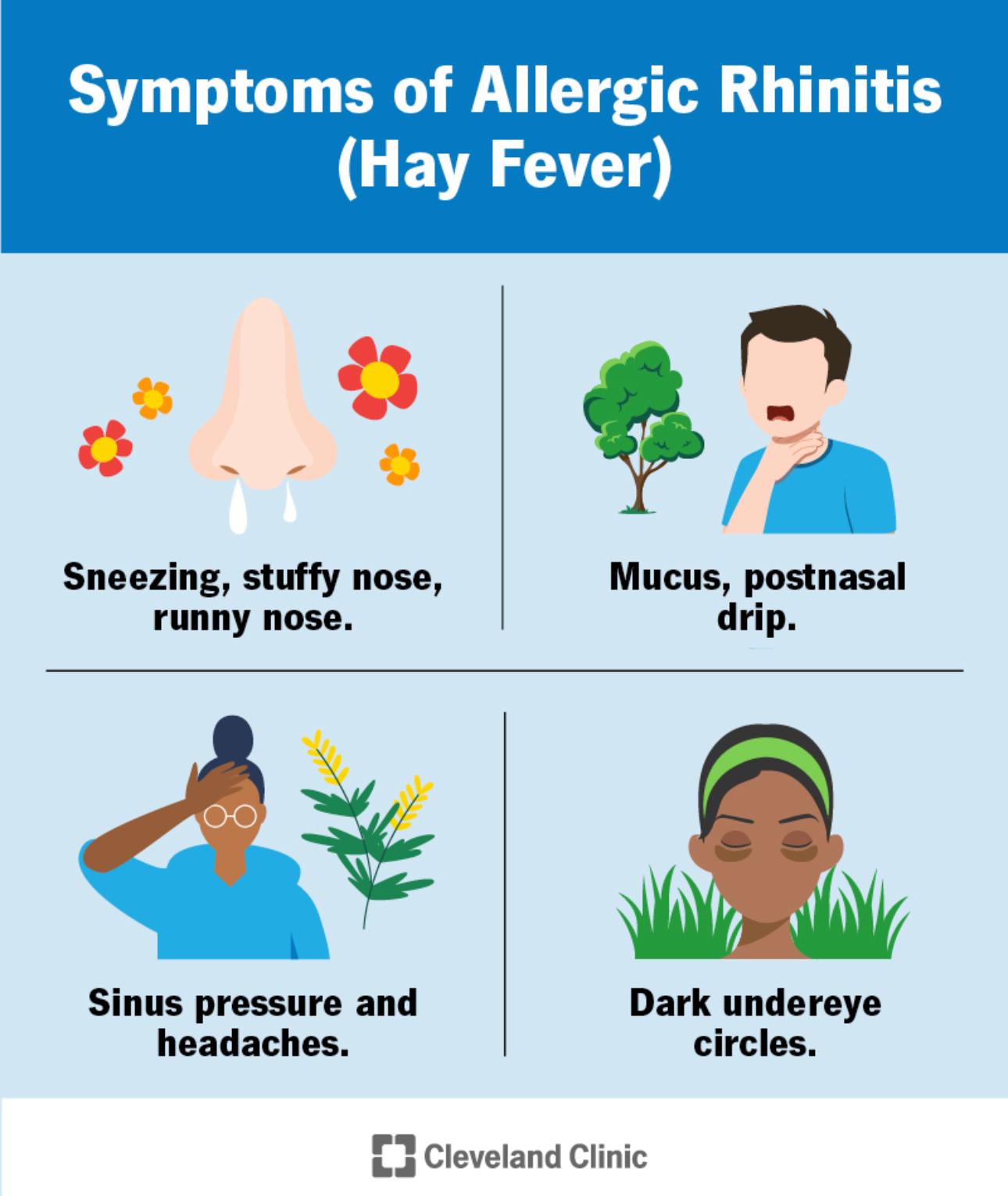
- Allergic rhinitis (hay fever)
- Nasal congestion and obstruction
- Deviated septum
- Nasal polyps
Persistent sinus issues can lead to fatigue, headaches, and reduced quality of life if left untreated.
3. Throat and Voice Disorders
The throat is essential for breathing, speaking, and swallowing. ENT specialists commonly manage:
- Chronic sore throat
- Hoarseness or voice changes
- Tonsillitis and infections
- Swallowing difficulties (dysphagia)
Voice disorders, in particular, can affect professionals who rely heavily on speech, such as teachers and public speakers.
Advanced Diagnostic Tools
At CYMED Clinic, ENT evaluation may include:
- Endoscopic examination for detailed visualization of nasal passages and vocal cords
- Audiological testing to assess hearing function
- Imaging studies when needed (e.g., CT or MRI referrals)
These tools allow for accurate, early diagnosis, which is key to effective treatment.
Treatment Approaches
ENT care ranges from conservative to advanced interventions:
- Medical management (medications, allergy therapy)
- Minimally invasive procedures
- Surgical referrals when necessary
- Lifestyle and preventive guidance
The goal is always to restore function, relieve symptoms, and improve quality of life.
Why Early ENT Consultation Matters
Many ENT conditions begin with mild symptoms—such as nasal congestion, slight hearing loss, or occasional throat discomfort—but may progress if ignored.
Seeking timely care can:
- Prevent complications
- Improve long-term outcomes
- Reduce the need for invasive treatments
ENT Care at CYMED Clinic
At CYMED Clinic, patients benefit from:
- Comprehensive ENT evaluation and management
- Experienced medical professionals
- Patient-focused, compassionate care
- Modern diagnostic support
Whether addressing a persistent sinus issue, hearing concern, or throat condition, CYMED Clinic is committed to delivering high-quality, accessible ENT care in Montreal.
Conclusion
ENT health is fundamental to how we hear, breathe, speak, and interact with the world. By combining clinical expertise with modern diagnostic tools, ENT specialists play a crucial role in maintaining both physical health and overall well-being.
If you are experiencing symptoms related to the ear, nose, or throat, early consultation can make a significant difference—ensuring that small concerns do not become major problems.